

CS507 Assignment No. 03 Solution and Discussion
-
-
Since you are looking for the detailed content of that CS507 (Information Systems) assignment, here is the structured solution for the two main questions typically found in that Spring 2019 file.
Question 1: System Development Methodology
The assignment asks why a structured methodology is needed for system development and identifies the Critical Success Factors.
Three Critical Success Factors:
- Standardization of Procedures: A methodology provides a repeatable, predictable process. It ensures that every team member follows the same “roadmap,” reducing confusion and errors.
- Management Control: By breaking the project into phases (like Planning, Analysis, and Design), managers can set milestones and track progress more effectively.
- User Involvement: A good methodology ensures that users are consulted at every stage, preventing the development of a system that “works” but doesn’t actually meet the business needs.
Question 2: The Incremental Model
The second part of the assignment focuses on the Incremental Model, where the system is developed and delivered in small pieces (increments).
Characteristics of the Incremental Model:
- Iterative Design: Each increment adds functional power to the preceding increment.
- Priority-Based: The most important features are built and delivered in the first increment.
- Parallelism: Different teams can work on different increments simultaneously once the core architecture is set.
Pros and Cons Table
Advantages (Pros) Disadvantages (Cons) Generates working software quickly. Requires a very clear and complete definition of the whole system before it can be broken down. Easier to test and debug within a smaller iteration. Total cost can be higher than the Waterfall model. More flexible; the cost of changing requirements is lower. Requires heavy planning to ensure the “pieces” fit together at the end.
Question 3: Strategic Planning for Information Systems
Often, CS507 assignments from this period ask about the Level of Planning.
- Strategic Planning: Done by top-level management (long-term goals, 3–5 years).
- Tactical Planning: Done by middle management (implementing the strategy, 1–2 years).
- Operational Planning: Done by low-level supervisors (daily/weekly tasks).
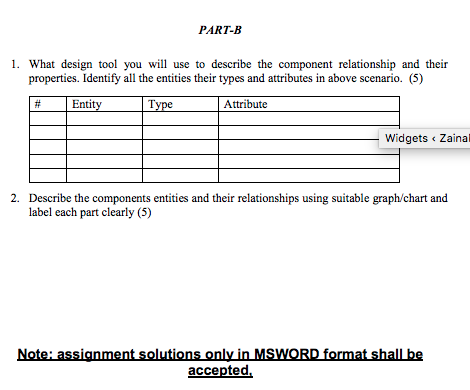
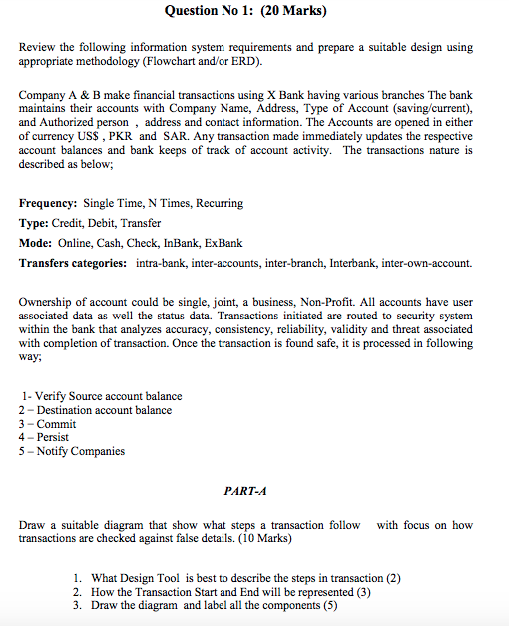
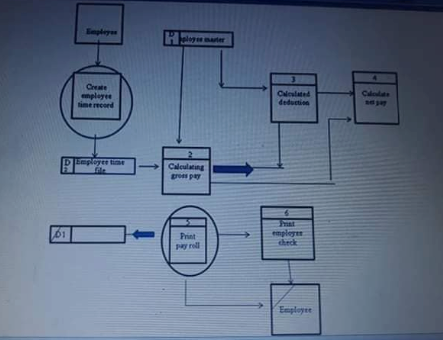
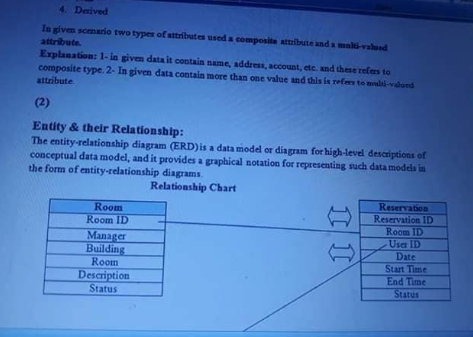
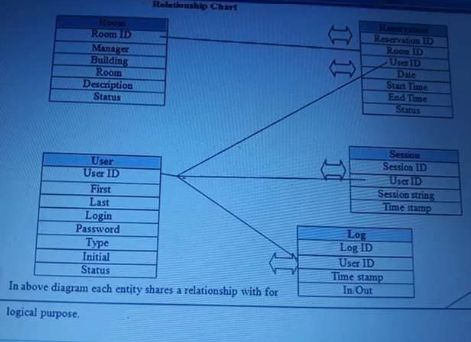
Would you like me to explain the specific steps for creating an Entity Relationship Diagram (ERD) if your assignment requires a visual model?
-
-
Idea Solution


-
-
-
 Z zaasmi has marked this topic as solved on
-
Since you are looking for the detailed content of that CS507 (Information Systems) assignment, here is the structured solution for the two main questions typically found in that Spring 2019 file.
Question 1: System Development Methodology
The assignment asks why a structured methodology is needed for system development and identifies the Critical Success Factors.
Three Critical Success Factors:
- Standardization of Procedures: A methodology provides a repeatable, predictable process. It ensures that every team member follows the same “roadmap,” reducing confusion and errors.
- Management Control: By breaking the project into phases (like Planning, Analysis, and Design), managers can set milestones and track progress more effectively.
- User Involvement: A good methodology ensures that users are consulted at every stage, preventing the development of a system that “works” but doesn’t actually meet the business needs.
Question 2: The Incremental Model
The second part of the assignment focuses on the Incremental Model, where the system is developed and delivered in small pieces (increments).
Characteristics of the Incremental Model:
- Iterative Design: Each increment adds functional power to the preceding increment.
- Priority-Based: The most important features are built and delivered in the first increment.
- Parallelism: Different teams can work on different increments simultaneously once the core architecture is set.
Pros and Cons Table
Advantages (Pros) Disadvantages (Cons) Generates working software quickly. Requires a very clear and complete definition of the whole system before it can be broken down. Easier to test and debug within a smaller iteration. Total cost can be higher than the Waterfall model. More flexible; the cost of changing requirements is lower. Requires heavy planning to ensure the “pieces” fit together at the end.
Question 3: Strategic Planning for Information Systems
Often, CS507 assignments from this period ask about the Level of Planning.
- Strategic Planning: Done by top-level management (long-term goals, 3–5 years).
- Tactical Planning: Done by middle management (implementing the strategy, 1–2 years).
- Operational Planning: Done by low-level supervisors (daily/weekly tasks).
Would you like me to explain the specific steps for creating an Entity Relationship Diagram (ERD) if your assignment requires a visual model?
-
Z zaasmi has marked this topic as solved on
Reputation Earning
 World CUP LIVE Matches

Ads
File Sharing